
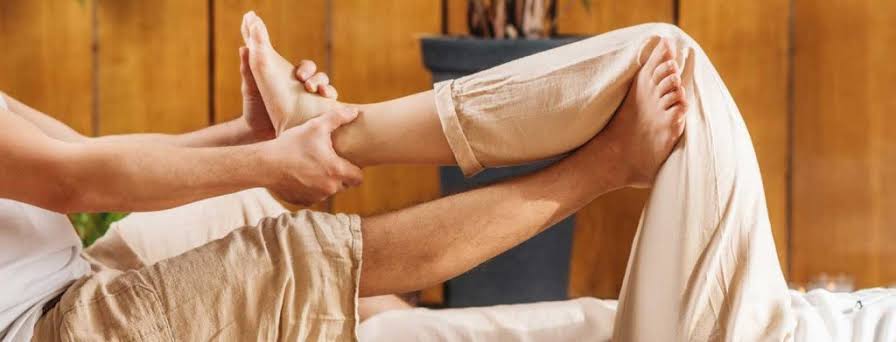
Modern life often feels overwhelming, with busy schedules, long working hours, and constant digital distractions leaving people mentally and physically exhausted. As stress levels rise, more individuals are seeking natural ways to improve their well-being without relying solely on medication. One of the most effective and time-tested solutions is traditional Thai massage, a healing practice that has been refined over centuries.
Whether you’re looking to relieve muscle tension, improve flexibility, or simply enjoy a peaceful escape from daily pressures, experiencing a professional thai spa can offer remarkable physical and mental benefits. Likewise, choosing a quality cbd thai massage service provides the convenience of enjoying authentic Thai therapeutic techniques in the heart of a busy city.
This guide explores everything you need to know about Thai massage, its history, techniques, health benefits, and how to choose the right spa experience.
Understanding Traditional Thai Massage
Thai massage is an ancient healing practice that originated more than 2,500 years ago. It combines elements of acupressure, assisted stretching, energy line therapy, and rhythmic compression to restore balance throughout the body.
Unlike many Western massage styles that primarily focus on muscles, Thai massage works on the body’s energy pathways, often referred to as “Sen” lines. Practitioners use their hands, elbows, forearms, knees, and sometimes even feet to apply pressure while guiding the client through gentle stretches.
This holistic approach aims to improve both physical and emotional well-being.
The Origins of Thai Massage
Thai massage has deep roots in traditional Thai medicine and Buddhist philosophy. It is believed to have been developed by Jivaka Kumar Bhaccha, who is regarded as the physician to the Buddha.
Over centuries, the practice evolved by incorporating influences from:
- Traditional Chinese Medicine
- Indian Ayurveda
- Yoga
- Buddhist healing practices
Today, Thai massage remains one of Thailand’s most respected wellness traditions and is practiced worldwide.
What Makes Thai Massage Different?
Many people assume all massages are similar, but Thai massage offers a unique experience.
Some of its distinctive features include:
Fully Clothed Treatment
Clients usually wear loose, comfortable clothing instead of using massage oils.
Assisted Stretching
Often called “lazy yoga,” Thai massage gently stretches muscles while improving joint mobility.
Pressure Point Therapy
Therapists apply targeted pressure along energy pathways to encourage circulation and relieve tension.
Dynamic Movements
Rather than remaining on a massage table, clients may experience movements performed on a comfortable floor mat.
The Physical Benefits of Thai Massage
Regular Thai massage sessions can provide numerous health advantages.
Improved Flexibility
The assisted stretches help lengthen muscles and increase joint mobility.
Many clients notice:
- Better posture
- Easier movement
- Reduced stiffness
- Greater athletic performance
Muscle Pain Relief
Deep pressure techniques help release muscle knots and chronic tension.
Common problem areas include:
- Neck
- Shoulders
- Back
- Hips
- Legs
Better Blood Circulation
The rhythmic compression techniques encourage healthy blood flow throughout the body.
Improved circulation helps deliver oxygen and nutrients more efficiently while removing metabolic waste.
Increased Energy
Unlike massages that may leave clients feeling sleepy, Thai massage often creates a refreshing sensation of increased vitality.
Mental Health Benefits
The effects of Thai massage extend well beyond physical relaxation.
Many people report improvements in:
- Stress reduction
- Anxiety management
- Mental clarity
- Emotional balance
- Better concentration
The combination of mindful breathing, gentle movement, and therapeutic touch encourages deep relaxation.
Thai Massage for Office Workers
Office employees frequently experience problems caused by prolonged sitting.
Common issues include:
- Tight shoulders
- Neck pain
- Lower back discomfort
- Wrist tension
- Poor posture
Thai massage specifically addresses these areas by stretching shortened muscles while improving overall body alignment.
Athletes and Active Individuals
Athletes often include Thai massage as part of their recovery routine.
Potential benefits include:
- Faster muscle recovery
- Improved flexibility
- Reduced soreness
- Enhanced mobility
- Lower injury risk
Regular sessions can complement training programs for runners, cyclists, gym enthusiasts, and sports professionals.
Seniors Can Benefit Too
With appropriate pressure adjustments, Thai massage may also benefit older adults.
Gentle treatments can help improve:
- Joint flexibility
- Blood circulation
- Balance
- Muscle mobility
- Overall comfort
Therapists should always customize treatments according to each client’s physical condition.
Common Techniques Used During Thai Massage
A professional session often combines several therapeutic methods.
Palming
Gentle palm pressure warms muscles and prepares the body.
Thumb Pressure
Specific pressure points receive targeted thumb compression.
Stretching
Passive yoga-like stretches increase flexibility.
Rocking Motions
Gentle rhythmic movements encourage muscle relaxation.
Joint Mobilization
Careful movement improves range of motion.
Who Should Consider Thai Massage?
Thai massage is suitable for many individuals, including:
- Busy professionals
- Students
- Parents
- Athletes
- Travelers
- Seniors
- Fitness enthusiasts
Anyone experiencing everyday muscle tightness or stress may benefit from regular sessions.
When Thai Massage May Not Be Appropriate
Certain medical conditions require caution.
Individuals should consult a healthcare provider before booking if they have:
- Recent surgery
- Broken bones
- Severe osteoporosis
- Blood clotting disorders
- Certain cardiovascular conditions
- High-risk pregnancy
Professional therapists typically ask about medical history before treatment.
Preparing for Your First Session
A little preparation helps maximize the benefits.
Before your appointment:
- Drink plenty of water.
- Avoid heavy meals immediately beforehand.
- Wear comfortable clothing if required.
- Arrive a few minutes early.
- Inform your therapist about injuries or discomfort.
Good communication allows the therapist to tailor the session to your needs.
What Happens During a Session?
Every spa has its own approach, but a typical session includes:
Consultation
Your therapist asks about your health, pain areas, and goals.
Warm-Up
Gentle pressure prepares muscles.
Therapeutic Techniques
The therapist combines compression, stretching, and pressure-point work.
Relaxation
The session concludes with calming techniques to help the body settle.
Most appointments last between 60 and 120 minutes.
The Importance of Professional Therapists
Choosing an experienced therapist significantly improves both safety and effectiveness.
Qualified professionals understand:
- Human anatomy
- Proper stretching techniques
- Pressure adjustment
- Client safety
- Individual treatment planning
Always seek reputable wellness centers with trained practitioners.
Creating the Perfect Spa Environment
The atmosphere plays an important role in relaxation.
Quality spas often feature:
- Soft lighting
- Peaceful music
- Comfortable treatment rooms
- Clean facilities
- Professional staff
- Calming aromas
These elements help create a restorative experience from beginning to end.
Thai Massage and Modern Wellness
As wellness trends continue evolving, Thai massage remains highly relevant.
Many people combine it with:
- Yoga
- Meditation
- Healthy nutrition
- Regular exercise
- Mindfulness practices
This holistic approach supports both physical health and emotional resilience.
How Often Should You Get Thai Massage?
Frequency depends on personal goals.
General recommendations include:
For Stress Relief
Once every two to four weeks.
For Chronic Muscle Tension
Weekly sessions may be beneficial initially.
For Maintenance
Monthly appointments often help maintain flexibility and relaxation.
Consistency typically delivers better long-term results than occasional visits.
Supporting Overall Lifestyle Health
Massage works best when combined with healthy daily habits.
Consider incorporating:
- Regular physical activity
- Proper hydration
- Balanced nutrition
- Quality sleep
- Stretching exercises
- Stress management techniques
Together, these habits create a stronger foundation for long-term wellness.
Choosing the Right Thai Spa
Finding the right provider ensures a positive experience.
Look for:
- Licensed therapists
- Excellent hygiene
- Positive customer reviews
- Transparent pricing
- Comfortable facilities
- Personalized treatments
Don’t hesitate to ask questions before booking your first appointment.
Why Thai Massage Continues to Grow in Popularity
The growing interest in natural wellness has helped Thai massage gain worldwide recognition.
People appreciate that it offers:
- Drug-free pain relief
- Whole-body relaxation
- Improved flexibility
- Better circulation
- Mental rejuvenation
- Personalized care
Its unique combination of stretching, pressure therapy, and mindful movement continues to attract individuals from all walks of life.
Conclusion
Traditional Thai massage is far more than a relaxing luxury—it is a comprehensive wellness practice that nurtures both body and mind. From easing muscular discomfort and improving flexibility to reducing stress and enhancing overall vitality, its benefits have stood the test of time.
Whether you’re seeking relief from the physical demands of work, recovering from an active lifestyle, or simply looking for a peaceful escape, visiting a professional thai spa can provide a deeply restorative experience. Likewise, booking a cbd thai massage session offers a convenient way to experience authentic Thai healing techniques while enjoying the comfort and accessibility of a city-based wellness destination.
By making Thai massage a regular part of your self-care routine, you can invest in better health, greater relaxation, and improved quality of life for years to come.