
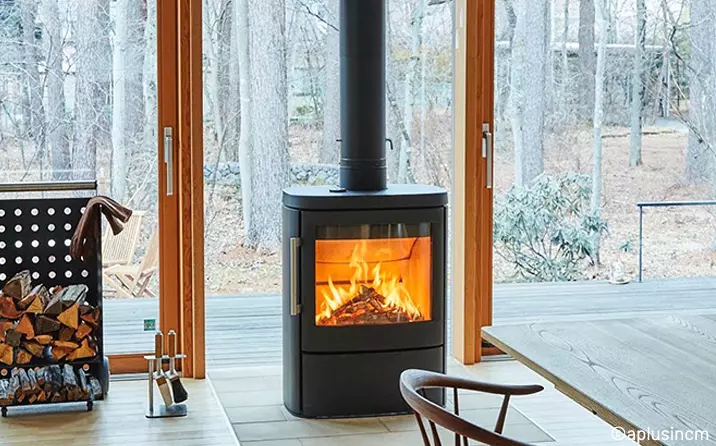
A wood stove brings warmth, comfort, and character to any home. Whether you rely on it as a primary heat source or as a cozy addition during the colder months, it plays an essential role in maintaining indoor comfort. However, one critical aspect of wood stove ownership that should never be overlooked is proper chimney maintenance. Regular wood stove chimney sweeping is not just a recommendation—it is a necessity for safety, efficiency, and long-term performance.
Understanding how chimney systems work, why creosote builds up, and how routine sweeping protects your home can help you make informed decisions and avoid costly or dangerous problems.
How a Wood Stove Chimney System Works
When you burn wood in a stove, combustion produces smoke, gases, and tiny particles. These byproducts travel upward through the stovepipe and chimney flue, exiting safely above your roofline. The natural draft created by rising hot air allows the stove to function efficiently.
However, the process is not perfectly clean. As smoke cools while traveling through the chimney, condensation occurs. This condensation forms a tar-like substance known as creosote. Over time, creosote accumulates along the inner walls of the flue. If not removed regularly, it can restrict airflow and become highly flammable.
This is why ramonage poele à bois is essential for maintaining both safety and performance.
Why Chimney Sweeping Is So Important
Preventing Chimney Fires
Creosote is extremely combustible. Even a small buildup can ignite under high temperatures, leading to a chimney fire. These fires can reach temperatures exceeding 1,000 degrees Celsius, potentially cracking flue liners, damaging masonry, and spreading flames to surrounding structures.
Maintaining Proper Airflow
A blocked or restricted chimney prevents proper draft. When airflow is compromised, smoke may back up into your home, creating unpleasant odors and potential carbon monoxide risks. Regular sweeping ensures that smoke exits efficiently and safely.
Improving Heating Efficiency
A clean chimney allows your wood stove to operate at peak performance. Proper draft improves combustion, helping you get more heat from less wood. This not only reduces fuel costs but also lowers environmental impact.
Extending the Life of Your Chimney
Creosote buildup can cause corrosion and structural damage over time. Routine maintenance prevents deterioration and extends the lifespan of your chimney system.
How Often Should You Schedule Wood Stove Chimney Sweeping?
The frequency depends on how often you use your stove and the type of wood you burn. As a general guideline:
- If you use your wood stove daily during winter, schedule sweeping at least once per year.
- If you burn large quantities of wood, consider inspections every six months.
- If you notice heavy creosote buildup, poor draft, or smoky odors, schedule service immediately.
Burning unseasoned or damp wood increases creosote formation. Always use properly seasoned hardwood with low moisture content to reduce buildup.
Signs Your Chimney Needs Immediate Sweeping
While annual maintenance is recommended, certain warning signs indicate urgent attention is required:
- Strong, smoky odor even when the stove is not in use
- Visible black, tar-like deposits inside the flue
- Smoke entering the room during operation
- Difficulty starting or maintaining a fire
- Reduced heat output
- Excess soot falling into the stove
Ignoring these signs can lead to serious safety hazards.
The Chimney Sweeping Process Explained
Professional chimney sweeps follow a systematic approach to ensure thorough cleaning.
Inspection
The technician first inspects the chimney and flue for structural damage, blockages, or excessive creosote buildup.
Protecting the Interior
Drop cloths and protective coverings are placed around the stove area to keep your home clean during the process.
Mechanical Cleaning
Specialized brushes and rods are used to scrub the flue interior. Rotary cleaning systems may also be used for stubborn creosote deposits.
Vacuum Removal
Industrial vacuums collect soot and debris to prevent dust from spreading throughout your home.
Final Check
After cleaning, a final inspection ensures the chimney is clear and functioning properly.
The entire process typically takes one to two hours, depending on the chimney’s condition.
DIY vs. Professional Sweeping
Some homeowners attempt DIY chimney cleaning using basic brush kits. While minor maintenance can be done independently, professional services offer several advantages:
- Thorough inspection for cracks or liner damage
- Proper equipment for hardened creosote removal
- Identification of hidden hazards
- Compliance with safety standards
Inexperienced cleaning may miss dangerous buildup or cause accidental damage. For peace of mind, professional wood stove chimney sweeping is generally the safer choice.
The Role of Proper Wood Selection
One of the most effective ways to reduce creosote buildup is choosing the right fuel.
Seasoned Hardwood
Hardwoods such as oak, maple, and ash burn hotter and cleaner. They produce less creosote compared to softwoods.
Avoid Green or Wet Wood
Freshly cut wood contains high moisture levels. Burning it produces more smoke and increases creosote formation.
Store Wood Properly
Keep firewood stacked in a dry, ventilated area. Proper seasoning usually takes six to twelve months.
By combining proper fuel selection with regular chimney maintenance, you significantly reduce fire risks.
Safety Tips for Wood Stove Owners
In addition to routine sweeping, follow these safety practices:
- Install smoke and carbon monoxide detectors in your home.
- Use a stovepipe thermometer to monitor flue temperature.
- Avoid overloading the stove with wood.
- Keep flammable materials away from the stove.
- Schedule annual professional inspections.
Safety should always be the top priority when operating any wood-burning appliance.
Seasonal Timing for Chimney Sweeping
The best time to schedule chimney cleaning is during the late spring or summer. Off-season maintenance ensures your chimney is ready before cold weather arrives. It also makes scheduling easier, as chimney professionals are typically less busy outside peak heating months.
However, if you notice warning signs during winter, do not delay service.
Common Misconceptions About Chimney Cleaning
“I don’t use my stove much, so I don’t need cleaning.”
Even occasional use can create creosote buildup. Infrequent use does not eliminate the need for maintenance.
“Burning hot fires removes creosote.”
While hotter fires may reduce some buildup, they do not eliminate existing deposits safely.
“Chimney sweeping makes a mess.”
Modern professional equipment minimizes dust and debris, keeping your home clean during the process.
Long-Term Cost Benefits
Some homeowners delay chimney maintenance to save money. In reality, routine sweeping is far less expensive than repairing chimney fire damage, replacing liners, or dealing with structural issues.
Preventative maintenance protects not only your home but also your financial investment.
Environmental Considerations
A clean chimney reduces emissions and improves combustion efficiency. Efficient burning lowers particulate output and helps maintain better air quality. Responsible wood stove use benefits both your household and the environment.
Conclusion
A wood stove offers unmatched comfort and warmth, but it requires responsible care. Regular wood stove chimney sweeping is a fundamental part of safe home heating. By preventing chimney fires, improving efficiency, and extending system lifespan, routine maintenance protects your home and loved ones.
Whether you rely on professional services or perform minor upkeep yourself, consistent attention to chimney cleanliness ensures that your wood stove remains a reliable and safe source of heat for years to come.